Pest control looks straightforward from the outside. Call the exterminator, spray a product, problem solved. The work rarely plays out that simply, especially in a region like California’s Central Valley where warm months drag on, irrigation keeps yards lush, and pests never stop breeding. If you are searching “exterminator near me” because ants poured into the kitchen or a rat appeared in the garage, the rush to pick someone fast is understandable. Still, the smartest money you will exterminator near me spend in pest control happens before the first technician pulls up. It rests on three pillars that determine both safety and results: insurance, licensing, and guarantees.
That might sound like paperwork, yet those three items shape the treatment options you will be offered, how your home and family are protected, and what recourse you have if the problem rebounds. I have seen tidy older ranch houses in Fresno go from a mystery moth issue to a full-blown pantry infestation because an uninsured operator missed the entry points and used the wrong formulation. I have also seen customers waste hundreds of dollars on monthly visits that never addressed a rodent harbor. When the provider’s credentials are in order, those scenarios drop off dramatically.
Why credentials matter when you search “exterminator near me”
With pest control, the cost of a mistake compounds. A small German cockroach pocket that lingers for a month can triple by the next. A misapplied rodenticide can move the problem from a garage to the attic, where trapped carcasses create odor and secondary pests. Insurance, licensing, and a meaningful guarantee do not just signal professionalism, they dictate what the company is allowed to do, which products they can deploy, and how they oversee safety.
In California, licensed firms have access to the training, restricted-use products, and regulatory oversight that keep treatments effective and compliant. Insurance is the backstop when something goes wrong. A strong guarantee is the structure for follow-ups, accountability, and the incentive to fix underlying causes rather than spray and pray.
If you are looking for pest control in Fresno CA, a market with plenty of choice, the right framework helps you separate the best pest control Fresno has to offer from operators who rely on low introductory pricing and vague promises.
Insurance: the safety net you hope you never need
When you let a professional apply pesticides, set traps, or modify structures, you assume a small but real risk. Good firms manage that risk with training and procedures, yet we are still dealing with chemicals, ladders, crawl spaces, and living systems. I have seen two categories of claims in my years around the industry. First, property damage, such as a technician stepping through blown attic insulation and cracking a ceiling below, or overspray marring a vehicle. Second, bodily exposure, which is rare with modern products but still possible if someone walks through a wet perimeter or a fogger misfires.
A competent exterminator carries at least two types of insurance:
- General liability that covers property damage and bodily injury arising from the company’s operations. Workers’ compensation to protect the employees who perform the work at your site.
Many reputable companies also carry commercial auto and umbrella coverage. Ask for a certificate of insurance. A responsible office will email it within a business day, often the same morning. Look for active dates and adequate limits. In practical terms, limits of 1 million per occurrence and 2 million aggregate are common baselines for pest control firms working residential and light commercial accounts in California. Larger jobs or businesses with ongoing service often require higher limits.
Be wary of firms that deflect when you ask. I have heard every excuse, from “Our agent is out this week” to “We do not need that for residential.” If a company’s insurance infrastructure is loose, expect everything else to be loose as well, including recordkeeping, chemical storage, and technician training.
Licensing in California: what to check and why it matters
Licensing is harder to fake because California’s Department of Pesticide Regulation and the Structural Pest Control Board maintain public databases that show business licenses, qualifying managers, branch operators, and technician registrations. In this state, anyone who performs structural pest control, including ants, spiders, cockroaches, rats, and mice, must be licensed under the Structural Pest Control Board. That license ties to a qualifying manager who holds an Operator’s License in a specific branch:
- Branch 2 covers general pests, such as ants, spiders, roaches, and pantry pests. Branch 3 covers wood-destroying organisms, including termites and fungus. Branch 1 covers fumigation.
If you are hiring an exterminator for ant control in Fresno or spider control around a pool area, you are squarely in Branch 2. Rodent control in Fresno CA also falls under Branch 2. Termite inspections and repairs require Branch 3. If a company tries to sell you a termite treatment under a general pest license, walk away. It is not just a technicality, it affects product access, reporting requirements, and warranties that banks and insurers might request when you sell the property.
The state’s license lookup is straightforward. You can search by company name or license number and confirm status, branches held, and any disciplinary actions. Check both the firm and the individual if the estimate lists a specific technician or branch operator. A current license tells you two critical things: the company passed state exams and ongoing education requirements, and it is subject to inspections and compliance audits. Those obligations are what push companies toward safe, defensible protocols, instead of shortcuts.
Reading guarantees without getting spun
Guarantees in pest control are tricky. Customers hear “we guarantee our work,” assume eradication forever, then get frustrated when a seasonal surge brings new activity. Meanwhile, some companies use guarantees as a marketing flourish while burying exclusions in the fine print.
A useful guarantee is specific, time-bound, and tied to the biology of the pest. For a German cockroach treatment in a multifamily kitchen, a good cockroach exterminator may offer a 30 to 60 day guarantee that covers follow-up visits until activity drops below threshold, with clear preparation steps for the tenant. For ant control in Fresno, where Argentine ants rebound after irrigation and heat waves, you might see a service plan that guarantees free retreatments between scheduled visits, as long as sanitation and structural recommendations are followed.
What to look for:
- Duration and scope stated plainly. “If ants return within 30 days, we return at no charge” is meaningful. “Satisfaction guaranteed” means little without terms. Conditions on you. If the guarantee depends on sealing a gap or storing pet food in lidded containers, the company should list those steps on the service report and explain why they matter. Exclusions that make sense. Providers often exclude bed bugs, fleas, or German cockroaches from general pest guarantees because those require specialized programs. That is fair if they say so upfront. How to request a retreatment. Good firms offer direct scheduling, not a phone maze.
The strongest sign of a real guarantee is behavior, not words. Ask how they handle a callback after 10 days with no improvement. Seasoned firms will offer a revisit within a few days and adjust the plan, not just repeat the same product.
What the best pest control in Fresno tends to do differently
Fresno’s climate sets its own pest calendar. Warm springs trigger Argentine ant trails. Summer pushes spiders out to hunt by porch lights and breeds American cockroaches in irrigation boxes. Harvest residues draw rodents onto properties. The companies that consistently solve problems here develop playbooks for these cycles, yet they avoid one-size-fits-all service.
From what I have seen, the best pest control Fresno residents rely on shows up with a few habits:
They inspect before they treat, and they write down what they see. If a tech spends five minutes around the exterior and goes straight for the sprayer, you will get the generic version of pest control. The better approach is ten to twenty minutes walking the property, flashlight in hand, checking eaves, door sweeps, utility penetrations, irrigation settings, and the attic hatch if rodents are suspected. That inspection should drive the treatment plan.
They combine products and tactics. Ant control is not just a perimeter spray. In Fresno, good techs use a mix of non-repellent sprays, gels, and occasionally granular baits along irrigation lines where colonies forage. Spider control works best with web removal under eaves, light fixture cleaning, and a residual barrier. For American cockroaches that migrate from sewers, sump pump lids and box drains need attention.
They explain the arc of the fix. After a heavy application for a German roach kitchen, activity may spike for two or three days as products flush harborage. For rodents, sealing and trapping often take one to two weeks. Being told what to expect is the difference between repairable worry and panic.
They make referrals when needed. I respect companies that say, “You have a structural moisture issue beyond our scope,” then point you to a contractor. A Branch 3 termite operator will also be candid about where a moisture problem is feeding subterranean termite pressure.
Common pest scenarios in Fresno and the licensing or insurance implications
When activity is present, the right response depends on the pest’s biology and the site. Here are patterns I have encountered repeatedly across Fresno neighborhoods, along with the credential details that matter.
Argentine ants inside and out. Neat little lines along counters, then a sudden blanket on the patio after a lawn watering. A Branch 2 licensed tech should use non-repellent sprays to avoid splitting colonies, pair them with sugary baits in shaded areas, and adjust irrigation schedules that keep soil damp. A weak guarantee is a red flag here because these ants require follow-up under heat stress.
American and Turkestan cockroaches around irrigation boxes. These are not the German roaches of the kitchen, they are the larger “water bugs” people see sprinting across patios. Control leans on habitat modification, sealing gaps at foundation vents, and targeted product placement in utility cavities. Licensing ensures the tech can access the right formulations that hold up in hot, dusty conditions.
German cockroaches in kitchens. This is where technique matters more than product. A good cockroach exterminator knows to reduce competing sprays near bait placements, deploy growth regulators, and coach on clutter reduction. If a company promises a one-and-done visit, expect disappointment. A realistic guarantee here includes at least one revisit within 10 to 14 days.
Spiders by pool lights and eaves. Spider control is fundamentally exclusion and sanitation paired with residual products. Web removal is as important as chemical. Liability insurance matters when ladder work happens on slick concrete around pools. If a tech will be two stories up, workers’ comp is not optional.
Rodents in attics and garages. In Fresno CA, roof rats often move along power lines and fruit trees. Rodent control starts with an exterior inspection, then sealing gaps larger than a quarter inch, then trapping. Avoid companies that want to drop bait immediately inside attics. That produces dead rats in inaccessible areas. Sometimes, rodent clean-out requires minor construction. When a firm offers exclusion work, confirm they have appropriate insurance for carpentry and that the warranty on sealing has terms in writing.
How to verify claims before you schedule service
A ten minute verification routine can save weeks of frustration. If a company claims to be the best pest control Fresno has to offer, they should welcome scrutiny. Your goal is to confirm they are licensed for the work, insured for mishaps, and committed to outcomes rather than visits.
Here is a compact check you can run between your first phone call and the estimate appointment:
- Look up the company on the California Structural Pest Control Board site. Confirm Branch 2 for general pests, Branch 3 if you need termite work. Ask for a certificate of insurance. Verify general liability and workers’ compensation are current for the company name you are hiring. Request written guarantee terms for your target pest. Check duration, exclusions, and how retreatments are scheduled. Read two to three recent reviews that mention your specific issue, such as “ant control in Fresno” or “rodent control in Fresno CA.” Look for details about follow-up, not just friendliness. Ask how they will document service. The better firms leave a report with products, concentrations, targeted areas, and recommendations.
Pricing that reflects risk and service, not just minutes on site
It is tempting to buy the cheapest monthly plan. Pests are dynamic, so pricing should reflect risk and effort. In Fresno, skip plans that sound like they will perform the same perimeter spray every month regardless of what changes on your property. Expect to pay more in the first 30 to 60 days for an acute issue, then taper to maintenance once colonies are down and entry points are sealed.
Prices vary by home size and severity, but some ranges are typical:
- General pest service for a single family home often runs in the range of 60 to 120 per visit on a bimonthly schedule, higher if the lot is large or the roofline is complex. Targeted German cockroach clean-outs can fall between 175 and 400 for the first visit with one follow-up, depending on clutter and kitchen use. Rodent inspection and exclusion are harder to estimate without a site visit. Basic sealing with trapping might begin around 300 to 600. Full attic exclusion and sanitation can extend into the low thousands for larger homes.
Confirm what is included. If spider web removal is part of the service, ask if that covers second-story eaves. If the plan includes interior treatments on request, make sure that does not carry an extra fee.
Case notes from Fresno homes
A family near Fig Garden called after months of “treatments” that never stopped trails of ants across the dishwasher. Their previous provider laid down a repellent barrier at every visit. The ants simply redirected to new entry points after each irrigation. A licensed Branch 2 operator switched to a non-repellent, placed slow-acting gel baits in shaded foraging paths, and recommended minor caulk work under the kitchen sink. They scheduled a 14 day follow-up because the colony was large. The guarantee covered retreatments for 60 days, which they used once after a heat spike in August. The difference was not magic, it was matching biology to chemistry and setting expectations.
Another case involved rodents in a Clovis attic. The homeowner wanted a quick fix because of noise at night. A company proposed station bait in the attic and exterior only. That approach would likely kill rats inside the attic and leave odor, then leave the entry points unaddressed. A stronger plan started with inspecting the roofline and finding three half-inch gaps at the eave returns. The tech sealed those gaps with metal flashing, set traps in the attic for a week, then removed them. No bait inside, and a 6 month exclusion warranty in writing. The insurance and license matter here because ladder work and minor carpentry carry risk.
Matching provider to pest and property
Not every “exterminator near me” is suited for every job. Some firms excel at commercial kitchens and multiunit housing, where German cockroaches and monitoring are the norm. Others do their best work in residential structural pests, with a focus on ant control in Fresno neighborhoods and spider control around tile roofs. If you have a specialty issue, such as pantry moths in a custom kitchen or severe vole damage in landscaping, ask how many similar cases the estimator handled in the last season. A candid answer is better than a scripted yes.
For homeowners with kids or pets, ask about product choices and staging. A thoughtful company can often clear a room, treat baseboards with a low-odor formulation, and let you return safely after a set dry time. For those with respiratory sensitivities, an integrated approach that leans on exclusion, vacuums, baits, and targeted sprays can still succeed. The key is aligning your constraints with the provider’s toolkit.
What to expect on day one and beyond
The first visit should feel like a working diagnosis, not a drive-by application. Plan for a longer appointment than a routine maintenance stop. The technician will set the tone for the relationship with how they handle three moments: the opening walk-through, the explanation of the plan, and the debrief.
During the walk-through, watch for curiosity and method. A light bounced along the baseboard, a mirror under the stove, a ladder to the eaves. Good techs find signs, not just insects. When they explain the plan, you should hear sequencing and time frames. For example, bait first, then residual barrier in a week if activity persists. For rodents, seal first, then trap. In the debrief, they should leave you with a service report that lists products, concentrations, and areas. If you get a vague “sprayed around the house,” you are not getting your money’s worth.
Expect a short period of adjustment. Some pests surface more as they are flushed from harborages. That is often a sign the products are working. A company that encourages you to call or text photos in the first week is showing confidence in their guarantee.
Red flags that hint at future headaches
Patterns appear quickly if you talk to enough homeowners and property managers. The same warning signs that show up before a bad remodel also show up in pest control.
- Reluctance to provide license and insurance documents, or a mismatch between the company name on the truck and on the policy. Vague guarantees with no duration or exclusions that cover almost everything. High-pressure sales for quarterly plans when you asked for a one-time service, especially if the inspector did not find a chronic source. Heavy reliance on indoor sprays for general pests without discussing baits or exclusion. No written service report or product list left behind.
If you pick up three or more of these on the estimate visit, keep looking. Fresno has enough options that you can find a provider who treats your home with respect for both safety and results.
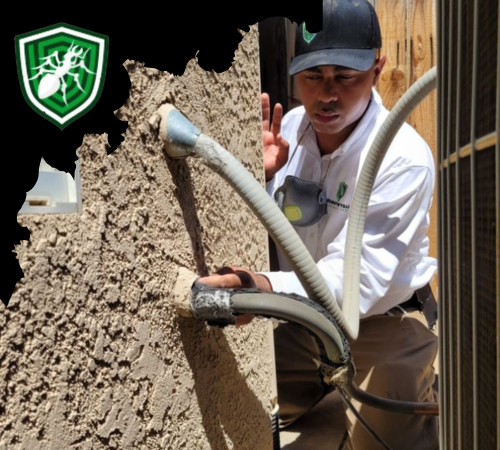
A Fresno-specific approach, grounded in proof and prudence
The market for pest control in Fresno is competitive, which benefits consumers when you know how to evaluate offers. Insurance and licensing are the price of admission for any exterminator Fresno residents should consider. Guarantees are where companies differentiate themselves, but only if they are specific and honored with timely retreatments. Local knowledge, especially of Argentine ants, American roaches, and roof rats, is what elevates a service from acceptable to excellent.
If you remember nothing else, remember the order of operations that keeps you protected and moves the problem toward resolution. Ask for proof of insurance, verify the appropriate Branch license, and get the guarantee terms in writing that match your pest. Then judge the firm by how they inspect, how they explain, and how they follow through. That sequence does not just find you an exterminator near me, it puts the right professional on your property with the authority and accountability to fix what is wrong.
Whether you need fast spider control before a backyard gathering or a methodical cockroach exterminator for a rental turnover, the groundwork you lay before the first visit will decide how many visits you actually need. The good operators know this and will meet you at that level, with documentation, clear steps, and a plan that respects how pests really behave in our valley climates.